Pet Hot Spots: Rapid Onset, Causes, & Effective Treatment

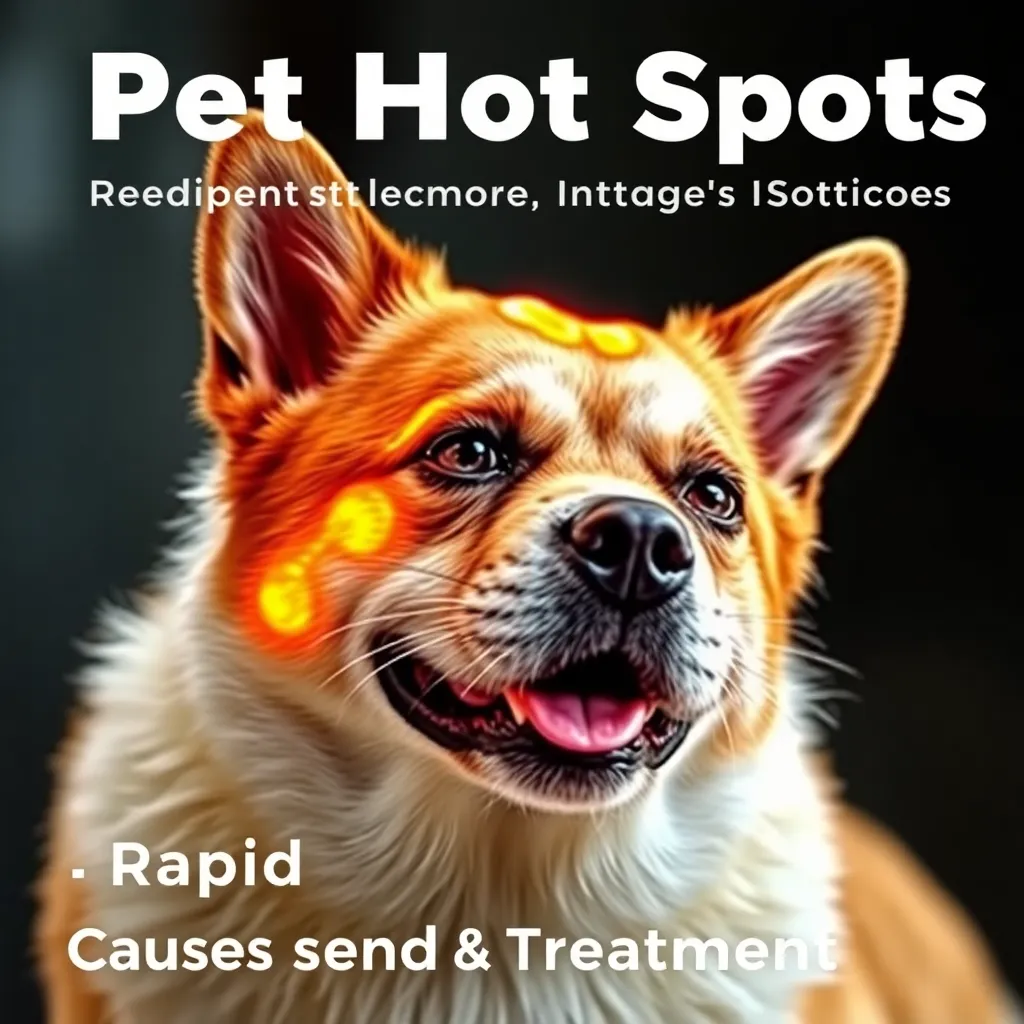
Hot spots, medically known as pyotraumatic dermatitis, are rapidly developing, painful, inflamed, and infected skin lesions commonly found on dogs. These raw, angry red areas often present with matted, licked-off hair, crusting, and an unpleasant odor, and can appear within hours. They are extremely sensitive to touch and can quickly become a cycle of itching, scratching, and further injury. While any dog can develop them, those with thick coats, dirty/moist skin, or allergies are particularly susceptible.
The triggers for hot spots are diverse, stemming from anything that prompts excessive licking, scratching, or biting. Common causes include flea bites, seasonal and environmental allergies (like ragweed, pollens, or molds), and food allergies. Additionally, an overpopulation of natural skin bacteria, often linked to an underperforming immune system, can lead to infection. Underlying painful conditions such as arthritis or sciatica, as well as behavioral issues like obsessive-compulsive disorder, separation anxiety, or boredom, can also manifest as hot spots. Even wet or dirty skin, especially after swimming, creates a prime environment for bacterial and yeast growth.
Effective treatment involves a multi-step approach. First, the hair on and around the lesion must be shaved to prevent trapping pus and promote healing, with margins marked to monitor spread. Next, the wound needs gentle disinfection, ideally with diluted povidone iodine, repeated frequently to keep it clean and dry. Following disinfection, a soothing topical solution like colloidal silver, raw aloe, or manuka honey should be applied. Crucially, protecting the wound from further self-trauma using an E-collar or protective wrap is essential for healing, as continued licking or biting will prevent the infection from clearing and the hot spot from shrinking.
The primary benefit of this comprehensive treatment is not just healing the current lesion but also preventing recurrence. If left untreated, hot spots can enlarge, worsen, and potentially lead to fever or more serious underlying skin problems. Therefore, identifying and resolving the root cause—whether it’s dietary adjustments, environmental allergen removal, flea control, pain management, or addressing behavioral issues—is paramount. Without addressing the underlying trigger, hot spots are highly likely to return, underscoring the importance of a holistic approach to pet health.
To keep your pet healthy and reduce the risk of hot spots, consider using the best pet food dispensers of 2026 to ensure proper feeding habits.
For pet owners managing hot spots, an automatic pet feeder treatment can help regulate feeding times and ensure a balanced diet to support healthy skin.
Understanding the best automatic cat feeders causes can help pet owners prevent issues related to feeding habits that may contribute to hot spots in their cats.
When dealing with pet hot spots, it’s important to consider the best automatic pet feeders treatment to ensure your furry friend receives timely and effective care.
(Source: https://www.barkandwhiskers.com/2017-07-05-nl-what-triggers-hot-spots/)