
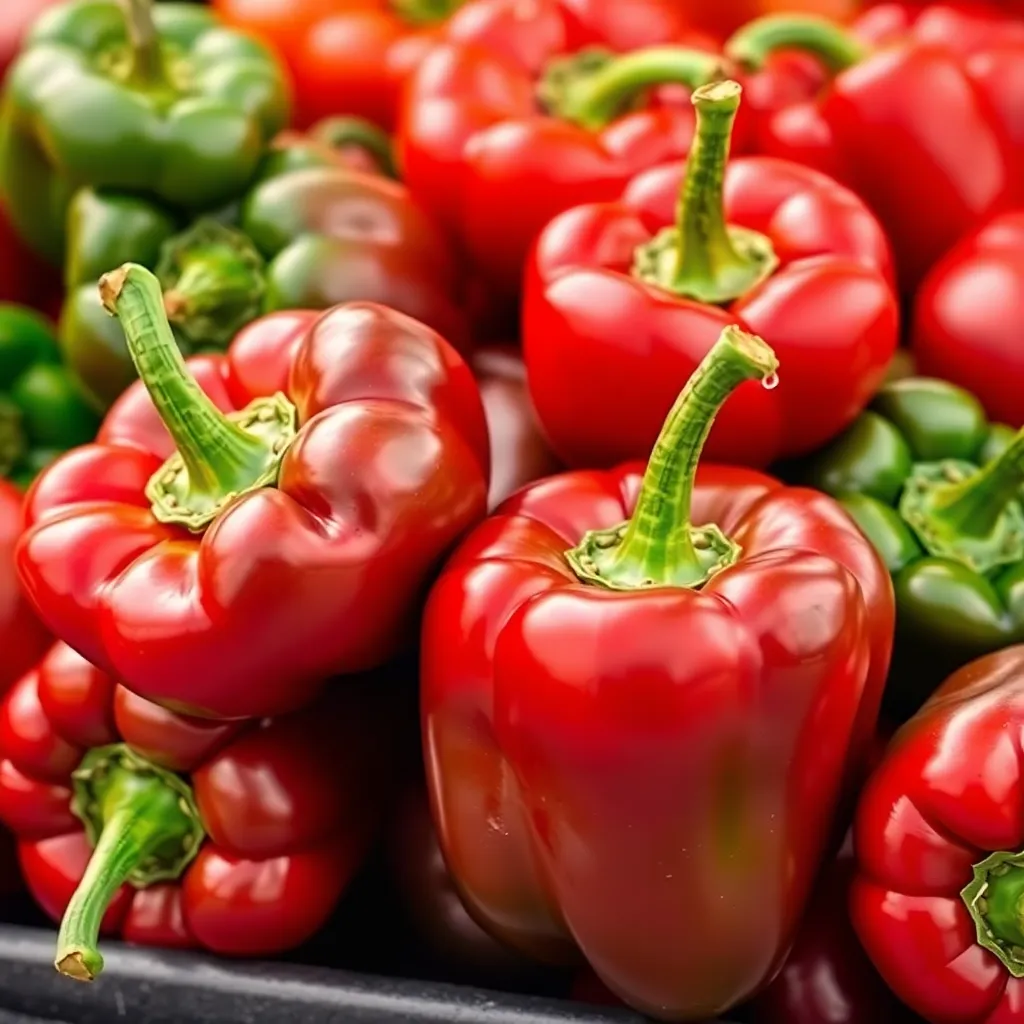
Bell Peppers: A Pet-Friendly Powerhouse of Health Benefits

Bell peppers (Capsicum annuum), botanically fruits but culinarily vegetables, are versatile, colorful additions to both human and pet diets. These crunchy, mildly sweet members of the nightshade family come in various hues, with red, yellow, and orange varieties being riper and sweeter than their green or purple counterparts. They are a powerhouse of nutrients, making them a beneficial treat or meal topper for pets.
Rich in antioxidants like vitamin C, bell peppers help combat free radicals, reduce inflammation, and support healthy aging in animals. Beyond vitamin C, they boast an abundance of phytochemicals including flavonoids, carotenoids, and phenolic compounds, each contributing unique health advantages. Flavonoids such as apigenin and luteolin offer significant antioxidant and anti-inflammatory benefits, potentially lowering the risk of chronic conditions like cardiovascular diseases, cancer, and Type 2 diabetes. Specific examples include apigenin’s role in inhibiting prostate cancer and luteolin’s potential for treating canine dermatitis due to its antimicrobial and anti-allergic properties. Quercetin, another flavonoid, acts as a natural antihistamine, aiding dogs with allergies.
Carotenoids like capsanthin, predominant in red bell peppers, provide anti-inflammatory, antitumor, antidiabetic, and antiobesity effects. Lycopene, also found in red bell peppers, shows promise in canine osteosarcoma treatment by inducing apoptosis in cancer cells. Other carotenoids, including capsorubin, beta-carotene, lutein, and zeaxanthin, protect skin from UV radiation and promote eye health. Phenolic acids like myricetin reduce osteosarcoma risk, while caffeic acid exhibits antiviral effects against canine distemper virus. Additionally, bell peppers supply essential B vitamins (B3, B6, B9), crucial for enzyme function, red blood cell health, and even reducing cleft risks in puppies.
To safely feed bell peppers to pets, they can be offered raw, though steaming may soften the skin for smaller breeds. Always remove stems and seeds, and avoid any seasonings. As bell peppers are on the “Dirty Dozen” list, opting for organic, spray-free varieties is recommended to avoid pesticide exposure. While highly beneficial, bell pepper treats should comprise no more than 10% of a pet’s daily caloric intake.
When selecting the best pet food dispensers peppers can be incorporated as healthy treats to complement your pet’s regular meals.
Incorporating bell peppers into your pet’s diet through an automatic pet feeder health routine can provide essential vitamins and antioxidants.
If you’re using one of the best automatic cat feeders peppers can be added as healthy treats to supplement your pet’s regular meals.
For pet owners seeking convenience while providing nutritious bell pepper treats, investing in the best automatic pet feeders dispenser can ensure consistent healthy feeding schedules.
(Source: https://www.barkandwhiskers.com/2023-03-30-can-you-feed-bell-peppers-to-your-pets/)