Can Dogs Catch Illnesses From Humans? Zoonotic Disease Risk

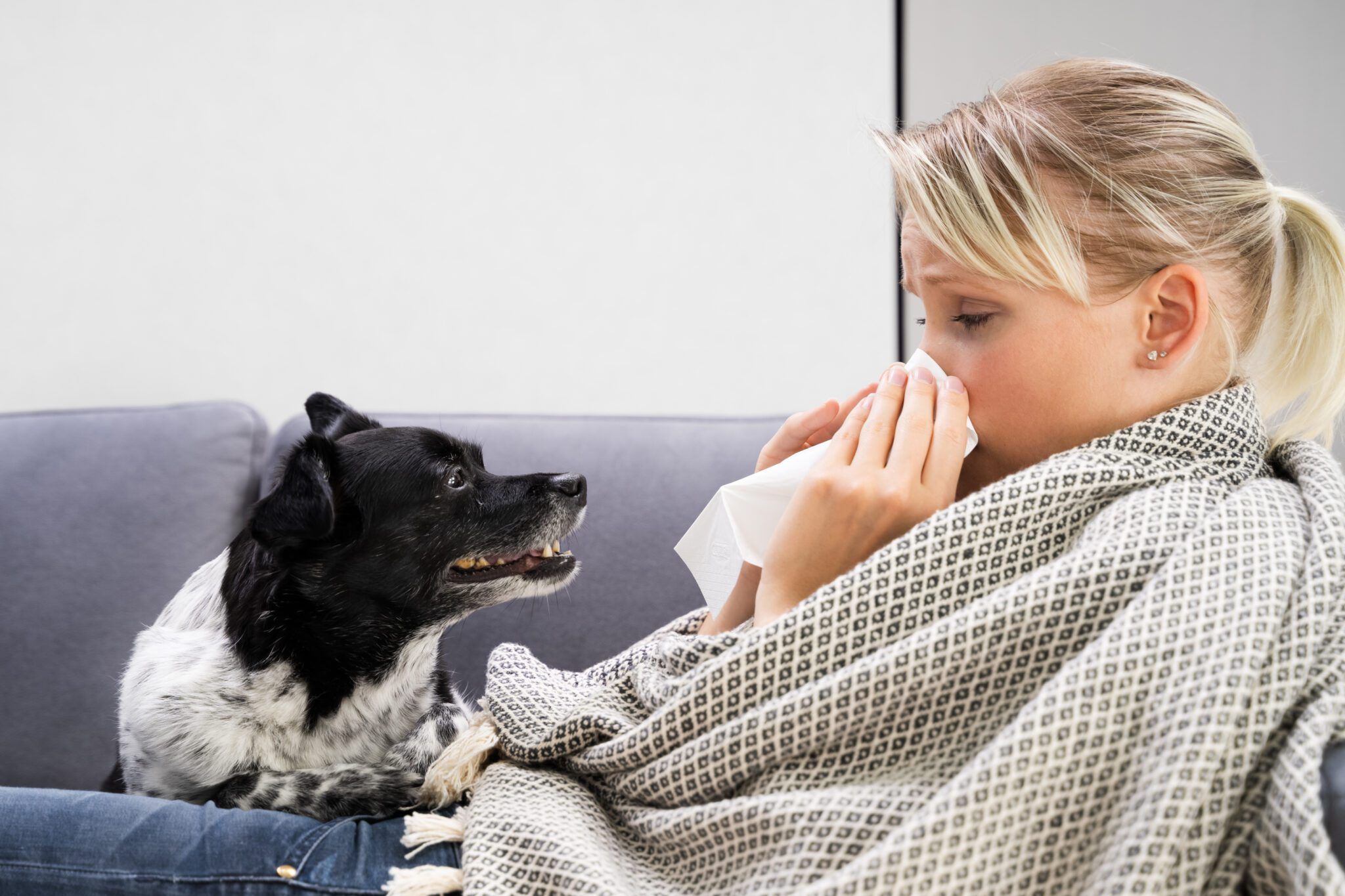
Humans and dogs, sharing close living quarters, can transmit diseases to each other. This phenomenon, known as reverse zoonosis, highlights the importance of understanding the potential risks. Several bacteria, viruses, and parasites can cross the species barrier. For instance, COVID-19 has shown the potential for transmission from humans to dogs, though usually resulting in mild gastrointestinal and respiratory issues. Tuberculosis (TB), a highly contagious respiratory illness, can also spread from humans to dogs through close contact. MRSA (Methicillin-resistant Staphylococcus aureus) is another bacterial infection easily transmitted from humans to dogs through skin contact. E.coli, causing urinary tract infections, can also spread within households including dogs. Conversely, dogs can transmit illnesses to humans. E.coli, Salmonella, and Campylobacter, often found in dog feces, pose significant risks, especially when raw diets are involved. Leptospirosis, a serious zoonotic disease spread through animal urine, is another significant concern. Rabies, a deadly virus transmitted through saliva, is another potential threat. While some dog illnesses like parvo and distemper are not contagious to humans, influenza transmission is more complex, depending on the strain. Canine influenza doesn’t affect humans, while avian influenza poses a low risk to dogs. Human influenza is unlikely to infect dogs. Preventing the spread of these diseases involves several strategies: vaccinations for rabies and leptospirosis, parasite prevention to mitigate risks from fleas and ticks, diligent hand hygiene after contact with dogs, and careful practices during illness. By practicing good hygiene and taking preventive measures, humans and their canine companions can maintain a safe and healthy relationship.
When researching the best pet food dispensers zoonotic disease prevention should be considered, as contaminated feeding equipment can harbor harmful pathogens.
While zoonotic transmission is concerning, preventing automatic pet feeder illness through proper hygiene and regular cleaning remains equally important for your dog’s health.
When researching the best automatic cat feeders zoonotic disease prevention should be considered since shared feeding areas can facilitate pathogen transmission between pets and humans.
When dogs are recovering from illness, the best automatic pet feeders dogs can use help maintain consistent meal schedules without requiring direct human contact.
(Source: https://www.whole-dog-journal.com/health/can-dogs-get-sick-from-humans/)