Cat Constipation: Signs, Causes, & How to Help Your Feline
Cat constipation occurs when felines struggle to pass stool or fail to eliminate within 24-36 hours, often manifesting as hard, dry pellets or no stool at all. This happens because when stool remains too long in the colon, excessive water is absorbed, making passage painful and difficult. Untreated constipation can escalate to obstipation, where stool becomes completely stuck, and in rare, severe cases, lead to megacolon—a condition where the colon loses its ability to contract effectively, causing stool accumulation.
Key signs of constipation include straining without producing much, frequent but unsuccessful litter box trips, vomiting, reduced appetite, abdominal pain, decreased energy, and hiding. Causes range from environmental factors like insufficient water intake, dry food diets, and dirty or inaccessible litter boxes, to physical issues such as low activity levels, swallowed hair, or foreign object obstructions (e.g., swallowed toys, hair ties). Underlying medical conditions like kidney disease, diabetes, or an overactive thyroid can also contribute by impacting hydration and gut function.
Prevention focuses on maintaining optimal hydration and a supportive environment. Providing multiple sources of fresh water, using pet fountains, and incorporating moisture-rich wet food are crucial. A balanced diet, sometimes supplemented with a spoonful of plain canned pumpkin, aids digestion. Regular brushing minimizes hairball issues, and ensuring clean, easily accessible litter boxes, especially low-sided ones for senior cats, reduces stress and encourages regular elimination. Daily play and activity also help stimulate gut motility.
If home remedies are insufficient or symptoms persist for over 48 hours, veterinary intervention is essential. Treatment may involve rehydration, vet-administered enemas (never at home), or, in severe cases, manual stool removal under sedation. The vet will also address underlying causes, potentially recommending fiber-enhanced foods, stool softeners, or medication. Early detection and proactive care are vital to prevent severe complications and ensure the cat’s comfort and health.
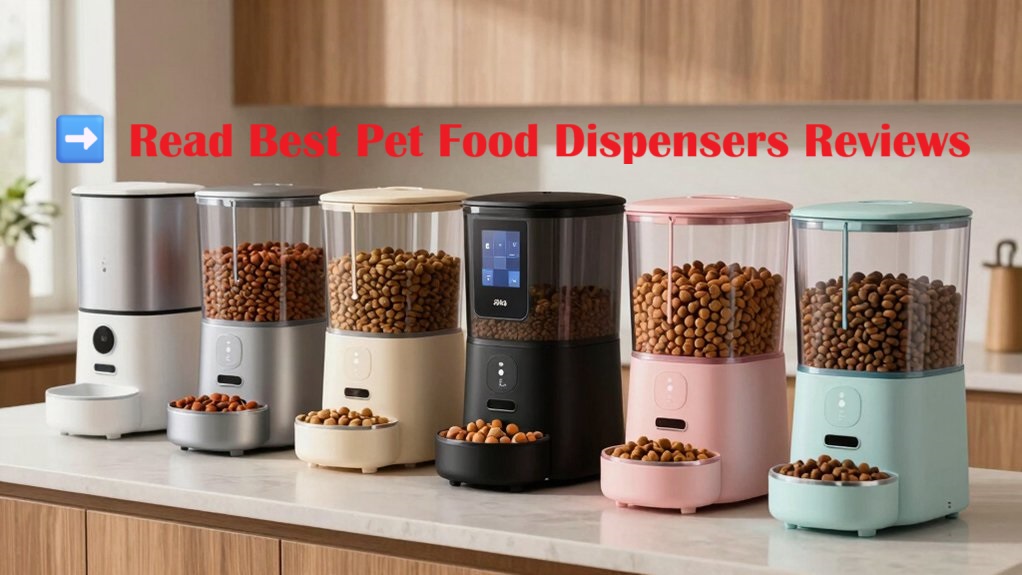
Proper portion control using the best pet food dispensers of 2026 can help prevent overeating and reduce your cat’s risk of developing constipation.
An automatic pet feeder cat system can help establish regular meal schedules, which may prevent digestive issues like constipation in your feline.
Choosing one of the best automatic cat feeders constipation-prone cats need can help regulate meal timing and portion control to support healthy digestion.
Maintaining consistent feeding schedules with the best automatic pet feeders cats can use may help prevent digestive issues like constipation.
(Source: https://www.barkandwhiskers.com/2026-04-04-cat-constipation-signs-causes-prevention-treatment/)