Choosing the Best Dog Food for Bulldogs with Allergies

Understanding Bulldog Allergies
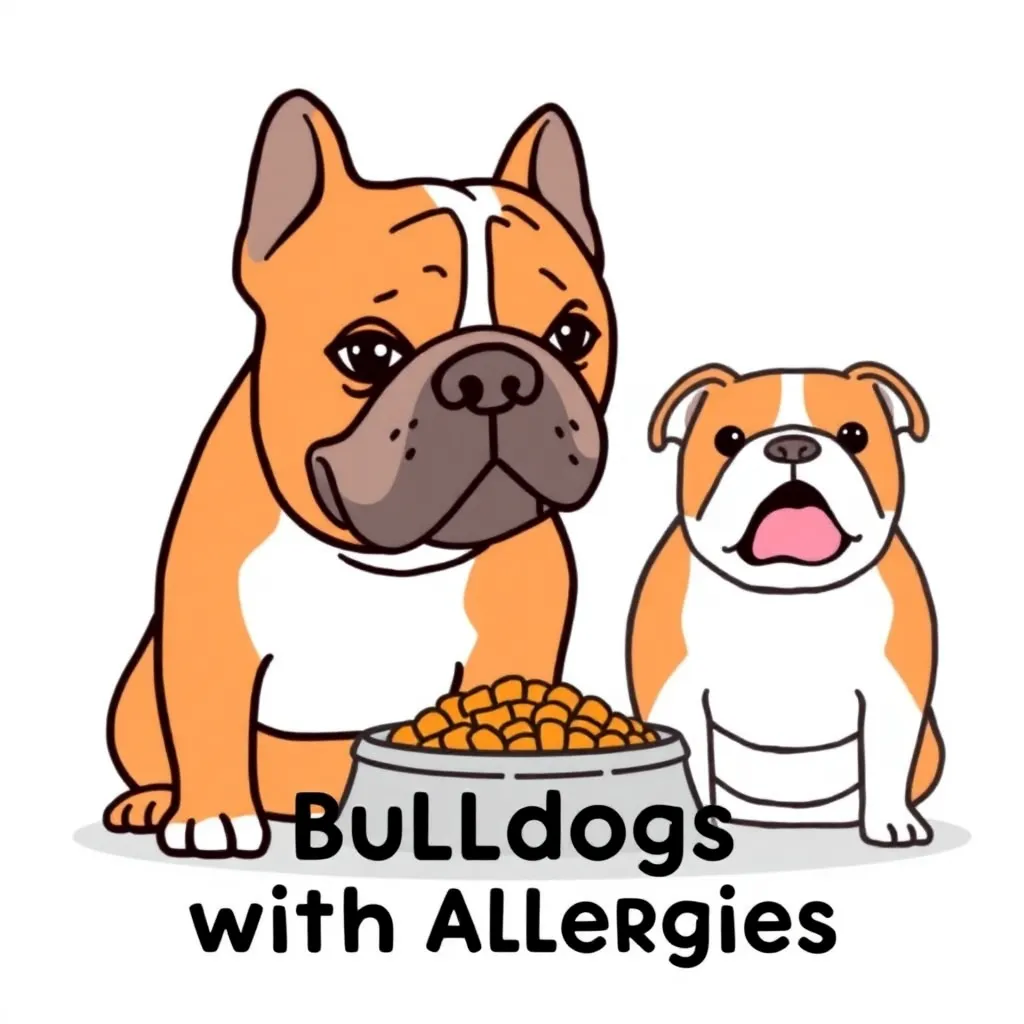
Bulldogs are prone to specific food allergies, which can lead to discomfort and health issues. Common allergens for Bulldogs include ingredients like beef, dairy, and chicken. Identifying the specific allergens affecting your Bulldog is crucial, typically done through veterinary consultation and testing. Once you uncover what your dog is reactive to, you can better tailor their diet to prevent adverse reactions. Fortunately, there are specialty dog foods available, including hypoallergenic options that utilize novel proteins and limited ingredients. This tailored approach not only helps manage allergies but ensures your Bulldog thrives without unnecessary discomfort.
Choosing the Right Food Options
When selecting a food for your Bulldog, look for those that emphasize high-quality, natural ingredients while avoiding fillers and artificial additives. Grain-free diets are popular among Bulldogs with sensitivities, but it’s essential to ensure that the alternatives don’t pose another allergy risk. Foods that are specially formulated to deal with Bulldog-specific challenges—like wave-shaped kibble designed for their unique jaw structure—can significantly benefit their dining experience. Additionally, considering products that can be paired with a pet food dispenser ensures convenience, making feeding times easier and more consistent in managing their dietary needs.
Consultation and Ongoing Care
Always consult your veterinarian when altering your Bulldog’s diet. They can provide insights tailored to your pet’s specific health requirements, especially when allergies are involved. Monitoring your Bulldog’s reactions to new foods is essential for early detection of any adverse effects. Additionally, incorporating a pet automatic food dispenser can simplify feeding routines and help manage portion sizes effectively. Maintaining a balanced diet rich in essential nutrients promotes not only overall health but also supports your Bulldog’s unique physical needs. Keep an eye on their coat, energy levels, and digestion as signs that their diet is providing the necessary support.