
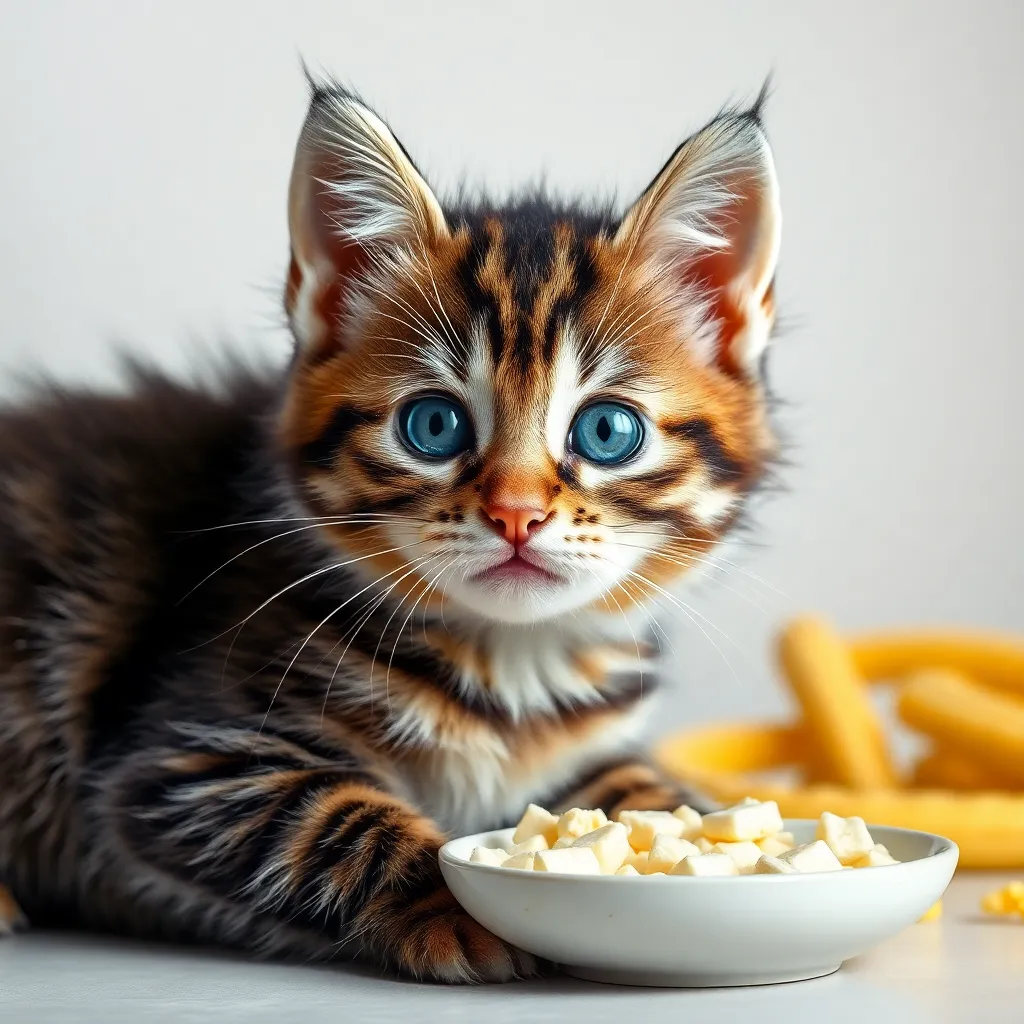
Kitten Overfeeding: Big Risks & Healthy Habits for Tiny Felines
Overfeeding kittens, a common mistake often stemming from free-feeding or misinterpreting their signals, can lead to severe long-term health issues beyond a temporary round belly. While kittens grow rapidly and need a calorie-dense diet, excessive intake transforms their metabolism, causing fat cells to multiply and making it harder to maintain a healthy weight into adulthood. This seemingly harmless practice can trigger serious problems like obesity, which stresses vital organs and increases the risk of diabetes due to insulin resistance. Additionally, extra weight strains growing joints, predisposing them to early arthritis and mobility issues. Digestive problems such as chronic diarrhea, vomiting, or constipation are also common, alongside behavioral changes like constant begging or food stealing.
Overeating frequently occurs because domestic cats lack the hunting effort of their wild counterparts, leading to boredom eating. Emotional factors like stress or anxiety, or owners misinterpreting meows for attention as hunger, also contribute. Signs of overfeeding include a persistently round belly that doesn’t subside, lethargy, decreased playfulness, and difficulty feeling the kitten’s ribs. In bottle-fed kittens, overfeeding can even lead to aspiration pneumonia.
To ensure healthy development, proper feeding is crucial. Implement strict portion control, carefully measuring food rather than free-feeding, especially after three months of age. Kittens under six months benefit from three to four small meals daily, transitioning to twice-daily scheduled feedings thereafter. Choose high-quality foods with real meat as the primary ingredient, avoiding fillers. Make mealtimes engaging with puzzle feeders or “captive foraging” to slow consumption and stimulate their natural instincts. Limit treats to 10% of daily calories and avoid unhealthy table scraps. Crucially, encourage daily play sessions to burn calories and boost mental health, and ensure a calm eating environment. Regular body condition checks and veterinary consultations are vital for tailoring a kitten’s diet to their specific needs and preventing or addressing overeating.
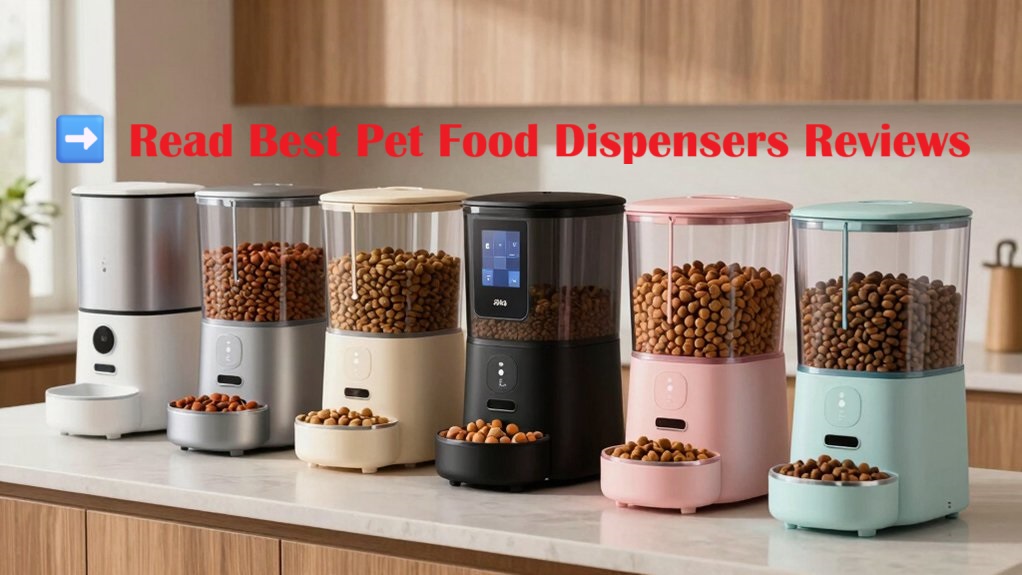
Using the best pet food dispensers of 2026 can help prevent kitten overfeeding by automatically controlling portion sizes throughout the day.
While an automatic pet feeder kitten option can help with portion control, careful monitoring is still essential to prevent overfeeding in young cats.
When transitioning to solid food, the best automatic cat feeders kitten owners choose can help prevent overfeeding by controlling portion sizes.
When choosing the best automatic pet feeders kittens can safely use, look for models with portion control features to prevent overfeeding.
(Source: https://www.barkandwhiskers.com/2025-10-31-overfeeding-kittens/)