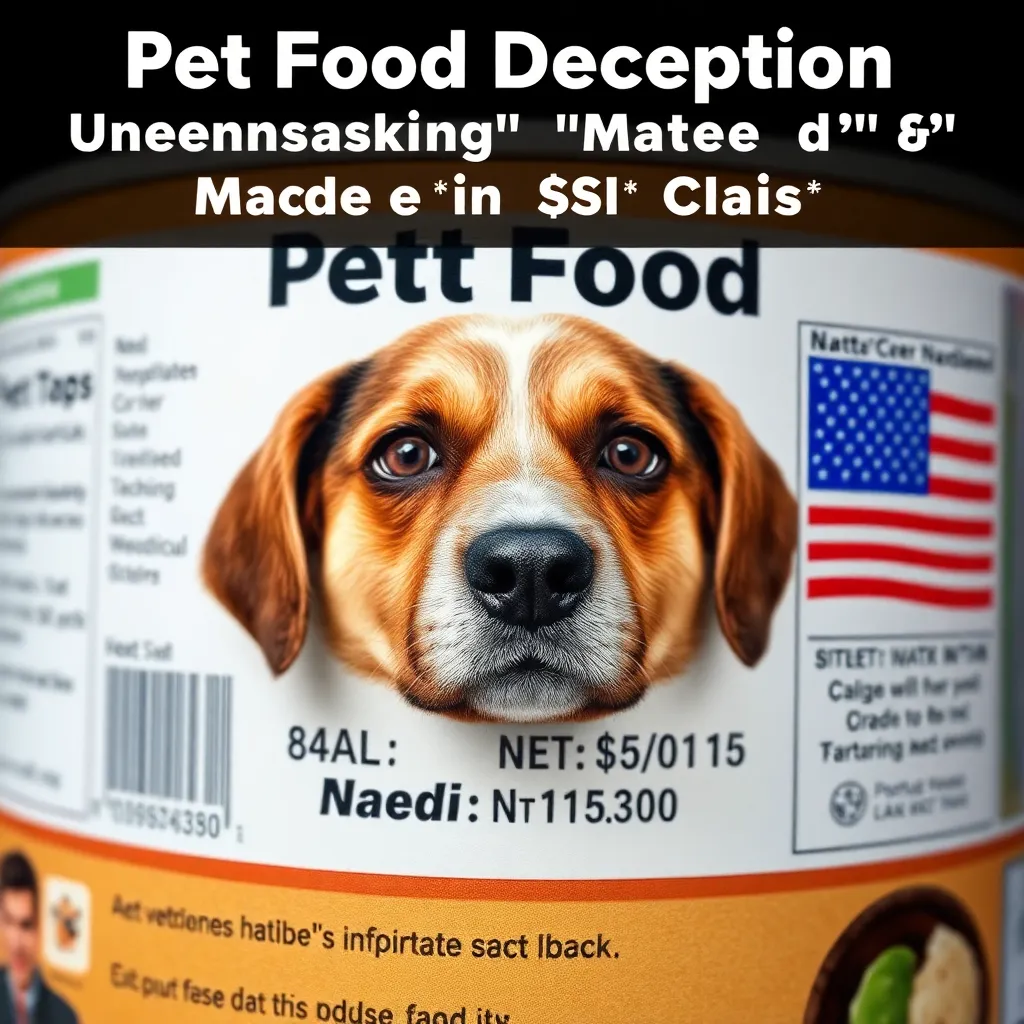
Pet Food Label Deception: Unmasking ‘Natural’ & ‘Made in USA’ Claims

The article highlights a growing trend of class action lawsuits against pet food companies for deceptive marketing, focusing on misleading “natural” and “Made in the USA” product claims. Consumers, increasingly concerned about their pets’ health, are paying premium prices based on these assurances, only to discover products contain artificial ingredients or are sourced internationally.
One significant case involves Rachael Ray’s Nutrish brand, sued by Christine Grimm in Southern California. Grimm switched her dog to Nutrish, believing it was “natural” and “without artificial preservatives” as advertised. However, the lawsuit alleges the products contain “chemicals and artificial and/or synthetic ingredients” such as L-Ascorbyl-2-Polyphosphate, Menadione Sodium Bisulfite Complex (a synthetic vitamin K potentially toxic to the liver), Thiamine Mononitrate, “natural flavors,” and various caramel colors. Notably, 4-Methylimidazole, a common caramel coloring agent, has been linked to cancer in rodents, posing a significant health risk.
Another set of lawsuits, filed by Susan Fitzpatrick, targets Tyson Pet Products and Big Heart Pet Brands/J.M. Smucker Co (Milo’s Kitchen) for false “Made in the USA” claims. Fitzpatrick alleged these companies use ingredients sourced from outside the U.S., like tapioca starch from cassava root, which cannot be commercially grown domestically. This deception is particularly impactful as consumers, wary of past pet food recalls, prioritize U.S.-made products for perceived safety and to support American industries. The article clarifies the nuanced legal distinction between “Made in the USA” and “Assembled in the USA,” noting that manufacturers can still use the former label even if some components are foreign-sourced, as long as assembly occurs domestically.
Ultimately, these cases underscore the financial and health risks consumers face due to a lack of transparency in pet food labeling. Pet owners pay more for products they believe are superior, while their pets may be exposed to undesirable or potentially harmful additives. The article urges consumers to remain skeptical and informed, as marketing tactics often push the boundaries of truthfulness, eroding trust in manufacturers.
While researching the best pet food dispensers of 2026, many pet owners overlook the misleading marketing claims on the food itself.
Many pet owners assume that food dispensed from an automatic pet feeder natural labeling means healthier meals for their companions.
When shopping for the best automatic cat feeders natural ingredient options, understanding these misleading label claims becomes crucial for making informed decisions.
When researching the best automatic pet feeders natural ingredient options, it’s crucial to understand how misleading labeling practices can affect your purchasing decisions.
(Source: https://www.barkandwhiskers.com/2017-07-07-nl-nutrish-lawsuit/)