
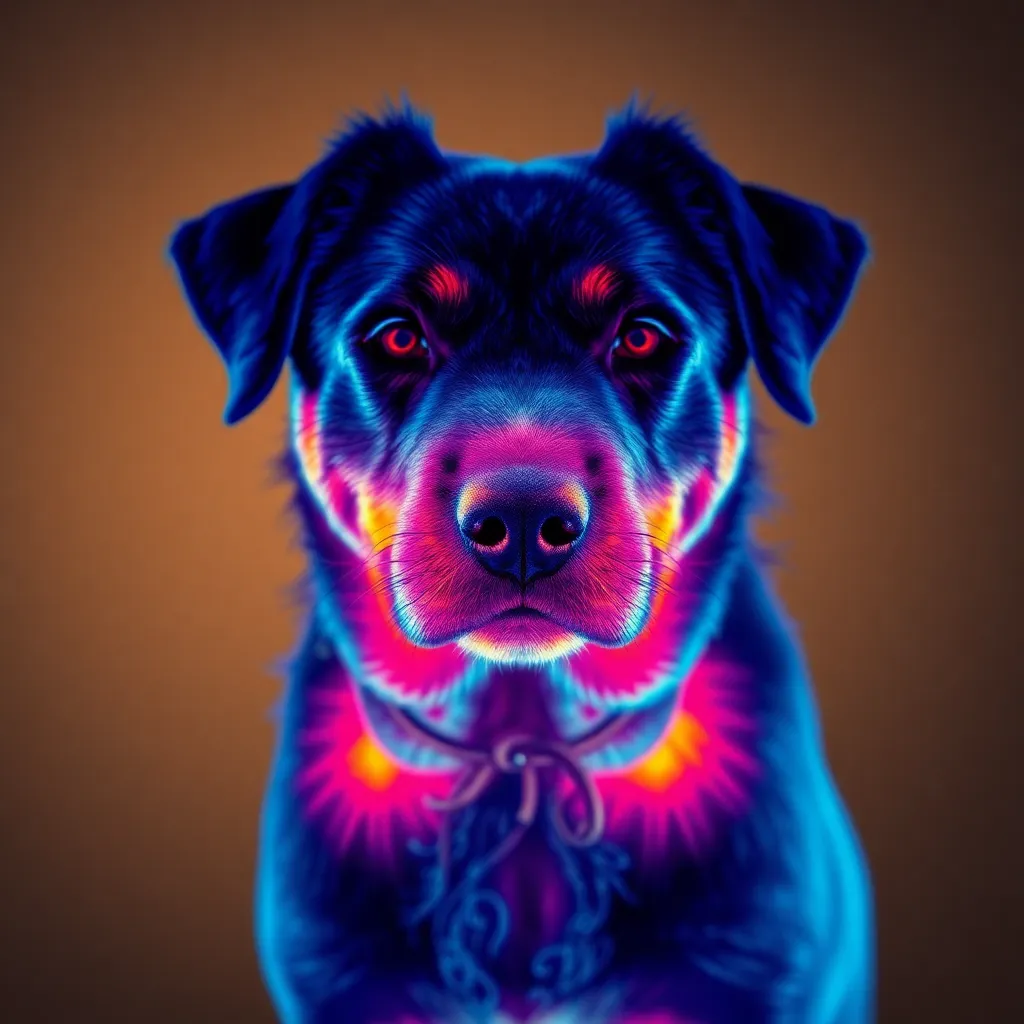
Pet Pain Detection: How Thermography Transforms Vet Care

Infrared thermography (IRT) is a noninvasive imaging technique that visualizes subtle temperature changes on the body’s surface, offering insights into physiological and emotional states in animals and humans. It operates on the principle that the autonomic nervous system, which controls involuntary functions, also influences skin temperature, creating unique thermal “fingerprints.” In healthy animals, these patterns are symmetrical; deviations signal potential dysfunction or disease.
A primary benefit of thermography in veterinary medicine is its ability to detect issues like pain, inflammation, and injuries much earlier than traditional diagnostic methods such as X-rays or MRIs, often weeks in advance. This early detection can lead to more timely and cost-effective interventions, as it helps veterinarians pinpoint problem areas, potentially reducing the need for extensive, expensive tests. The procedure is radiation-free, requires no sedation, and is FDA-approved, making it a safe and accessible tool.
Thermography’s applications are extensive, encompassing assessments for neurological dysfunction, musculoskeletal injuries, lameness, infections, stress fractures, and even wellness screening. Crucially, it helps veterinarians objectively “see” and quantify pain in stoic animals, providing a graphic display of discomfort and aiding in monitoring healing and treatment efficacy.
Research highlights IRT’s utility in evaluating emotional responses: one study showed dogs’ eye temperatures increased during stressful veterinary exams, while another observed similar increases when dogs received pleasant treats, indicating arousal. Conversely, dogs’ ear temperatures decreased when separated from humans and rose in their presence. However, limitations include the camera potentially upsetting subjects and its unsuitability for animals with very furry ears. While a powerful screening tool, thermography complements, rather than replaces, standard imaging tests, with ongoing research continuing to refine its applications for a comprehensive understanding of animal health and well-being.
Early detection of pet pain through thermography can help veterinarians recommend dietary changes that work perfectly with the best pet food dispensers of 2026.
Thermography can even detect subtle discomfort when pets experience automatic pet feeder pain from awkward positioning during meals.
When cats experience feeding difficulties due to dental pain, veterinarians often recommend the best automatic cat feeders pain management alongside thermographic diagnostics.
When pets experience feeding difficulties, veterinarians often recommend the best automatic pet feeders pain management protocols can support during recovery periods.
(Source: https://www.barkandwhiskers.com/2017-04-24-nl-thermography-in-veterinary-medicine/)