Shrimp for Cats: Healthy Treat or Hidden Danger?
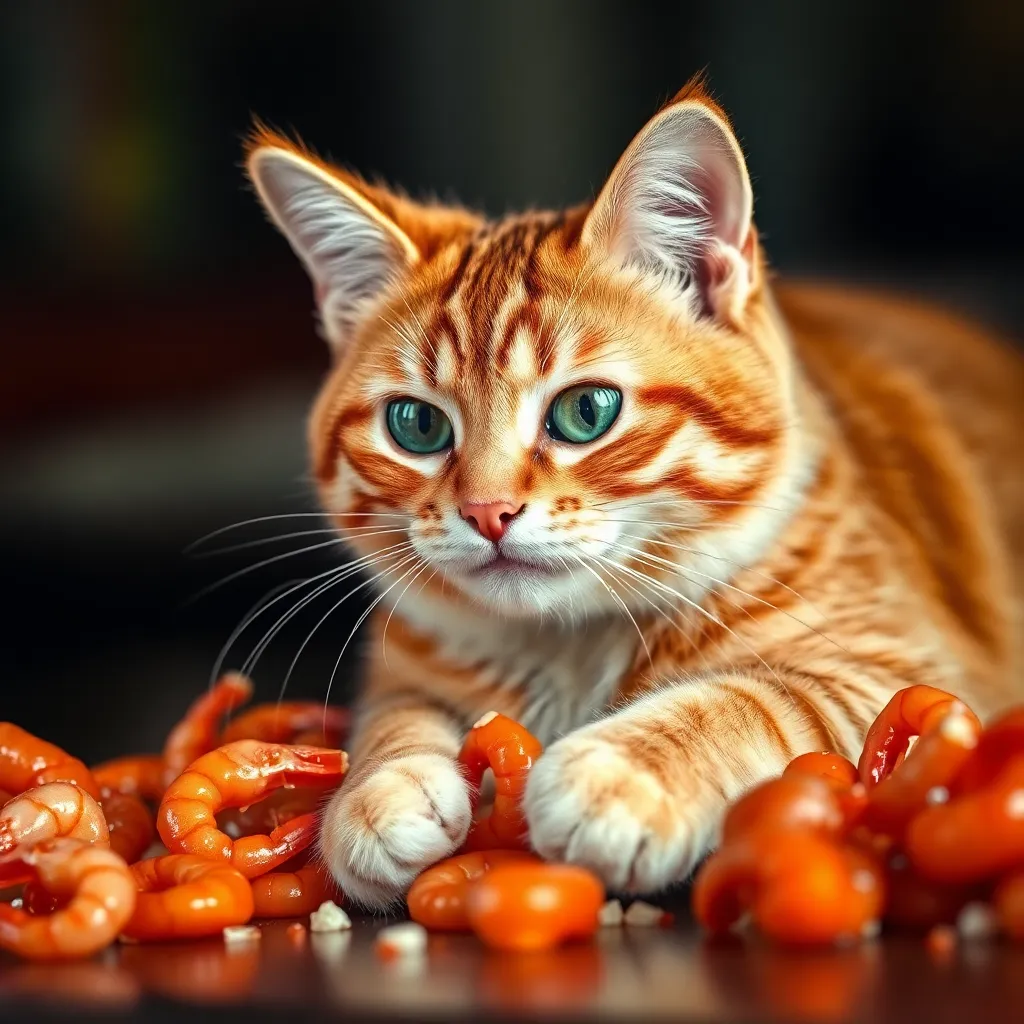
Shrimp can be a nutritious, low-calorie treat for cats, offering lean protein and beneficial nutrients, but only when given in strict moderation and prepared safely. While cats are obligate carnivores requiring a meat-based diet rich in nutrients like taurine and Vitamin A, shrimp should never replace a balanced, high-quality cat food. It serves as a complementary snack, not a dietary staple.
Nutritionally, shrimp provides high-quality protein for muscle building and immune support, along with omega-3 fatty acids for healthy skin and coat, and reduced inflammation. It also contains Vitamin B12 for nerve and digestive health, phosphorus for strong bones, selenium as an antioxidant, and choline for brain and liver function. Being low in calories (about 7 calories per shrimp), it’s an excellent reward option without overfeeding, and can add variety to a cat’s menu.
However, feeding shrimp carries several risks. Cats can develop allergies, manifesting as itchy skin, vomiting, diarrhea, or lethargy. Crucially, shells, tails, heads, and veins must always be removed as they pose choking hazards, internal injury, or blockages. Raw or undercooked shrimp can harbor dangerous bacteria like Salmonella or E. coli, making thorough cooking essential. Furthermore, seasoned, salted, or processed shrimp contains additives harmful to cats, necessitating plain preparation. Overfeeding can also lead to digestive issues or nutritional imbalances, with treats, including shrimp, limited to 10% of daily calories.
To prepare shrimp safely, choose fresh or frozen plain shrimp, removing all shells, tails, heads, and veins. Boil or steam it until pink and firm, then cool and cut into bite-sized pieces, ensuring no seasonings or sauces are added. Initially, offer a small piece to monitor for adverse reactions. For most healthy cats, 1/2 to 1 full shrimp, once or twice a week, is sufficient, while kittens or cats with health issues require veterinary consultation. Alternatives like cooked chicken, turkey, beef, salmon, or sardines are also safe options.
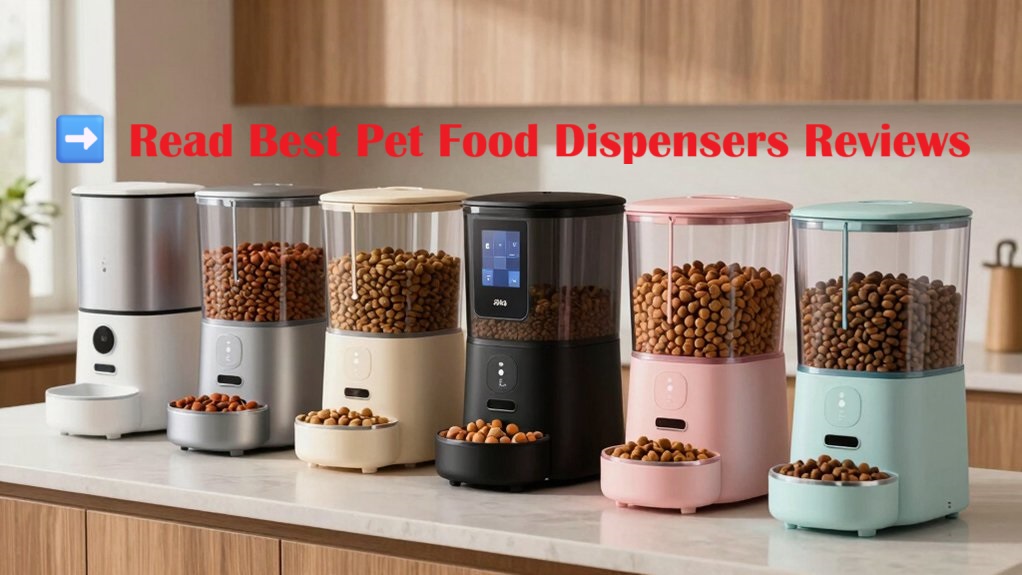
When introducing shrimp as treats, consider using one of the best pet food dispensers cats can enjoy to control portion sizes safely.
When using an automatic pet feeder cats can enjoy scheduled shrimp treats, but portion control remains essential for their health and safety.
When considering shrimp as a treat, some pet owners wonder if the best automatic cat feeders shrimp dispensing capabilities could help with portion control.
When considering treats like shrimp, the best automatic pet feeders cats can use help ensure proper portion control and feeding schedules.
(Source: https://www.barkandwhiskers.com/2025-11-22-shrimp-for-cats/)