

Dog Vomiting vs. Regurgitation: What Every Pet Parent Needs to Know
Dogs can bring food back up in two distinct ways: vomiting and regurgitation, each signaling different health concerns. Vomiting is an active, forceful process involving stomach contractions, retching, and heaving. The expelled food is typically partially digested, often mixed with bile, and leaves the dog feeling unwell afterward, possibly exhibiting discomfort or lethargy. Common triggers include dietary indiscretions (e.g., eating garbage, rich foods, foreign objects like socks), food allergies, parasites (like roundworms), organ diseases, toxins (e.g., antifreeze), or even motion sickness and stress.
Conversely, regurgitation is a passive process where undigested food flows back from the esophagus or upper stomach without warning or effort. The food usually appears as it was swallowed, sometimes in tubular shapes, and the dog typically resumes normal behavior immediately, showing no discomfort. This is often caused by eating too quickly or too much, especially dry food, stress, or more serious esophageal conditions like Megaesophagus, where the esophagus dilates and loses function, or other esophageal disorders such as inflammation or blockages.
While isolated incidents might not be alarming, frequent or severe episodes of either require prompt veterinary attention. Key red flags include multiple occurrences in one day, inability to keep water down, presence of blood in the expelled material, concurrent symptoms like diarrhea, weight loss, or lethargy, a bloated abdomen, or unproductive retching. Persistent regurgitation also poses a risk of aspiration. Recognizing these differences and warning signs is crucial for pet owners to ensure timely and appropriate care, as rapid dehydration can occur with repeated episodes.
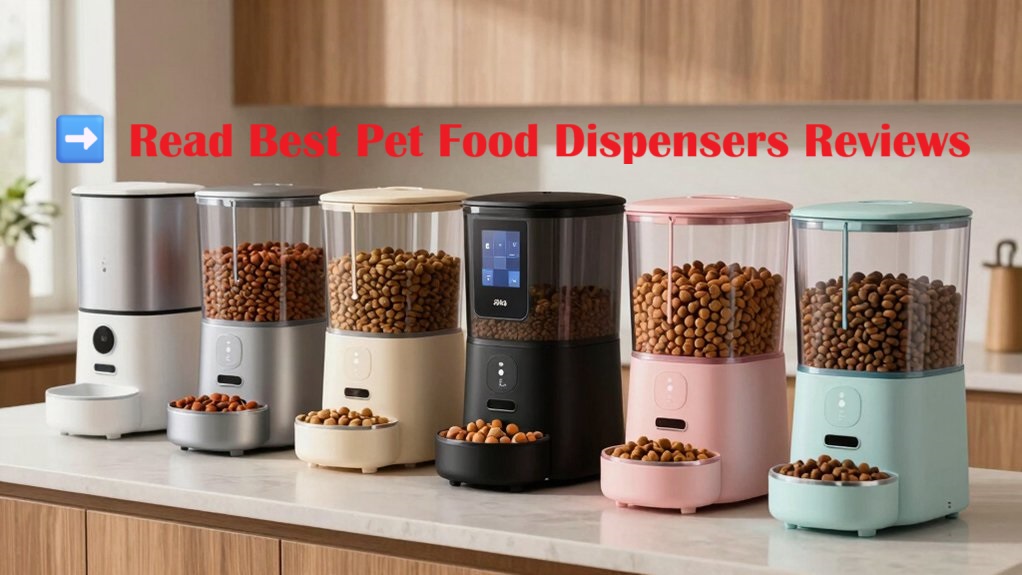
Using the best pet food dispensers dog owners can find may help reduce eating speed and prevent vomiting episodes.
Many pet parents search for “automatic pet feeder vomiting” when their dog experiences digestive issues after switching to scheduled feeding devices.
While this guide focuses on dogs, cat owners searching for the best automatic cat feeders vomiting solutions will find these distinguishing tips equally valuable.
Many pet parents wonder if switching to the best automatic pet feeders vomiting issues can be reduced or eliminated entirely.
(Source: https://www.barkandwhiskers.com/2025-10-01-understanding-regurgitation-vs-vomiting/)