Feral Kitten’s Journey: Chickens as Emotional Support

The heartwarming tale of Charley, a feral kitten, profoundly illustrates the transformative power of emotional support animals (ESAs), even when those companions are unexpected. ESAs are defined by their role in providing comfort, companionship, and a sense of security to individuals facing emotional or psychological challenges. While often associated with human-pet bonds, Charley’s story highlights how these supportive relationships can extend across species, offering profound benefits for animals in need of rehabilitation and trust-building.
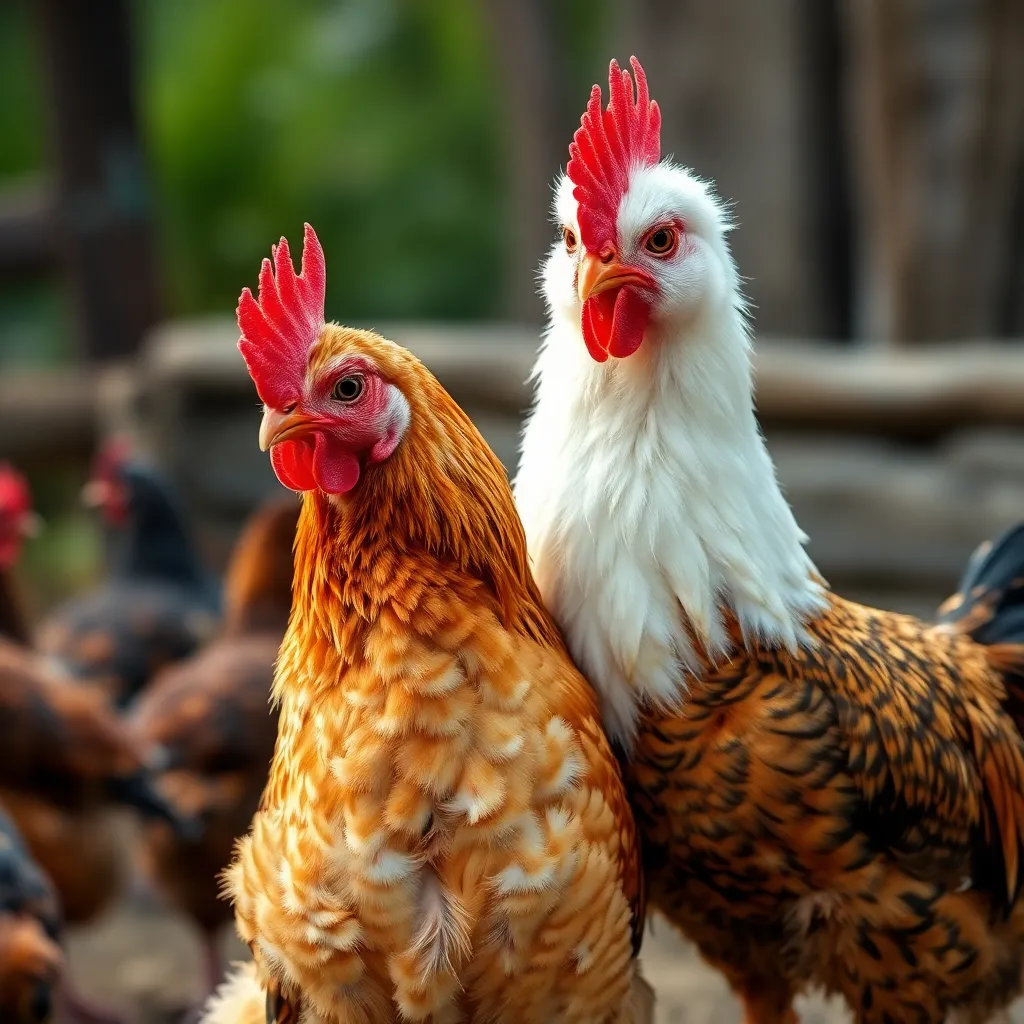
For feral animals, who typically experience significant trauma, fear, and a deep-seated distrust of humans, the journey towards socialization can be long and arduous. ESAs, like Charley’s chicken friends, provide a crucial bridge. Their non-judgmental presence, consistent comfort, and calm demeanor significantly reduce anxiety, creating a safe space for the traumatized animal. This stable environment is essential for building foundational trust, not just with the ESAs themselves, but as a stepping stone towards accepting human interaction. The chickens offered a unique form of unconditional acceptance, allowing Charley to feel secure enough to gradually lower her defenses.
Charley’s specific journey exemplifies these benefits. Having lived a life devoid of human kindness, her encounter with the emotional support chickens marked a turning point. These feathered companions provided a sanctuary, helping her navigate her deeply ingrained fears. Through their gentle and consistent presence, Charley learned to associate proximity with safety rather than threat. This unique interspecies bond proved instrumental in her emotional recovery, fostering a sense of belonging and nurturing her capacity for trust. The chickens acted as a buffer, demonstrating a safe form of interaction, which ultimately enabled Charley to “open her heart to people.”
While the benefits are clear, unique interspecies relationships like Charley’s also present considerations, such as ensuring the safety and comfort of all animals involved and managing cohabitation. However, Charley’s success underscores that with patience and innovative approaches, profound healing and successful integration into a more domestic life are possible for even the most timid feral creatures. Her story is a testament to the diverse forms emotional support can take and its critical role in animal welfare.
During the kitten’s rehabilitation, caregivers researched the best pet food dispensers kitten experts recommend to ensure consistent, stress-free feeding schedules.
As the feral kitten grew more comfortable around the chickens, the caretaker introduced an automatic pet feeder kitten system to establish regular meal schedules.
When caring for feral kittens, many caretakers research the best automatic cat feeders feral cats can safely use during their rehabilitation process.
As the feral kitten began trusting humans, the caretakers researched the best automatic pet feeders kitten options to ensure consistent nutrition during recovery.
(Source: https://www.barkandwhiskers.com/2025-10-25-feral-kitten-finds-comfort-with-her-chicken-bffs/)