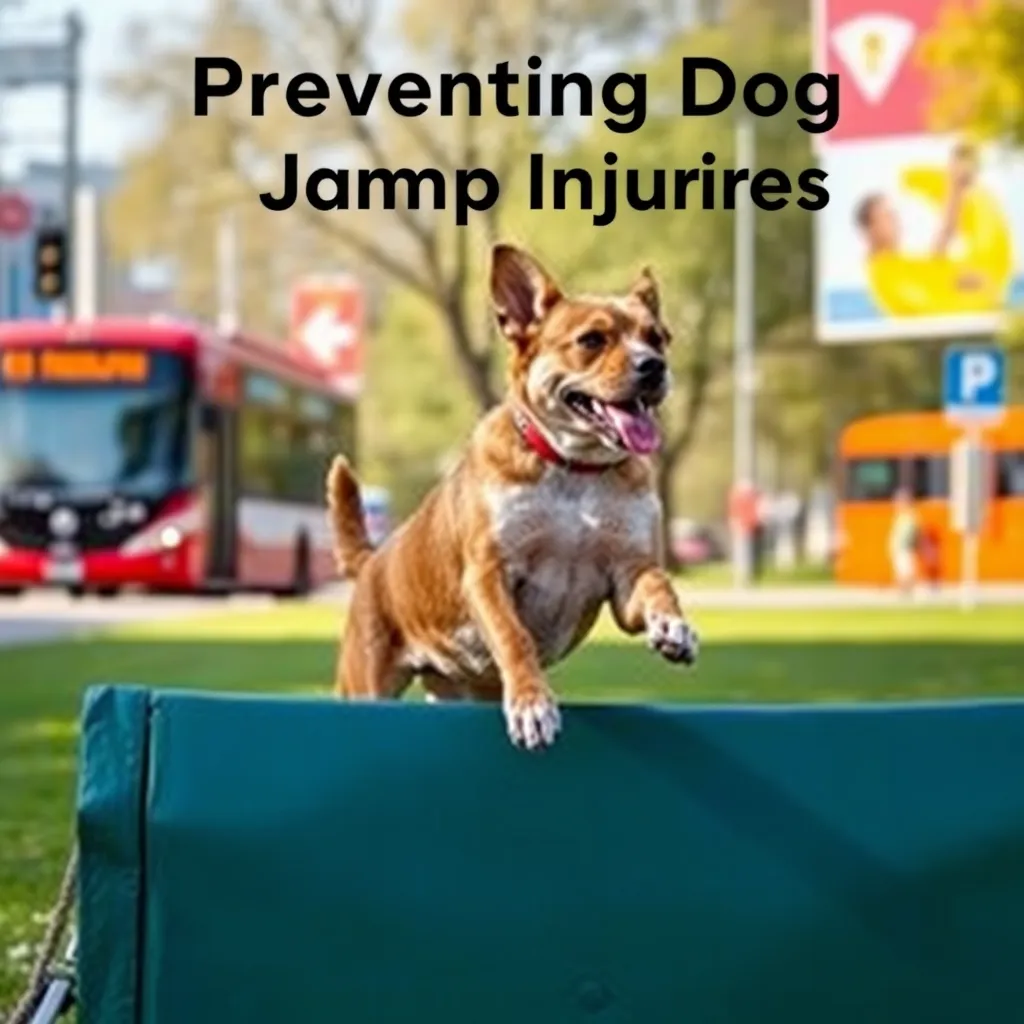
Preventing Dog Jump Injuries: A Guide for Pet Owners

Dogs are natural athletes who frequently leap, but this behavior can lead to significant “leap-related injuries,” as evidenced by over 180,200 claims filed with Nationwide Insurance between 2012 and 2016. These injuries span from minor soft tissue traumas like cuts and bruises (107,502 claims) to serious issues such as back injuries and slipped vertebral discs (46,386), sprains (20,006), and even broken legs (6,335).
The primary risk factor for many severe injuries, including back problems, slipped discs, and sprains, is poor conditioning. Dogs transitioning abruptly from inactivity (e.g., winter) to intense exercise, or “weekend warriors” who only exert themselves vigorously on weekends, are highly susceptible. Muscle tone and strength rapidly diminish without consistent activity. Other risks include a lack of proper warm-up, ingrained risky jumping habits (e.g., in/out of vehicles, leaping stairs), and unsafe play environments. Collar strain from sudden leash pulls can also cause painful cervical disc and neck injuries. Broken bones typically result from high-impact incidents like car accidents or long falls, often affecting older or overly excitable dogs.
Preventing these injuries relies on consistent, year-round exercise. A minimum of 20 minutes, three times weekly, is needed to maintain muscle tone, though 40 minutes of rigorous daily activity is optimal. For under-conditioned dogs, fitness should be gradually improved before intense play. Owners should ensure safe play areas, maintain control of their pet outdoors, and re-pattern risky jumping behaviors. Warming up before strenuous activity is crucial, especially for older dogs. To avoid neck injuries from leash pulling, switching to a harness or head collar is recommended. During colder months or hot summers, creative indoor activities like hydrotherapy, indoor agility, or nose work can help maintain fitness, ensuring dogs remain strong, resilient, and less prone to leap-related injuries, thus supporting their overall skeletal health.
Proper nutrition from the best pet food dispensers of 2026 can help maintain your dog’s joint health and reduce injury risk.
While most pet owners focus on preventing falls and leaps, automatic pet feeder injuries can also occur when dogs jump to reach elevated feeding stations.
Just as researching the best automatic cat feeders pet owners can find helps prevent feline feeding injuries, understanding dog jump risks protects canine companions.
Using the best automatic pet feeders dog owners can maintain feeding routines at ground level, reducing the need for dogs to jump up for meals.
(Source: https://www.barkandwhiskers.com/2016-07-06-nl-leap-related-injuries-in-dogs/)