
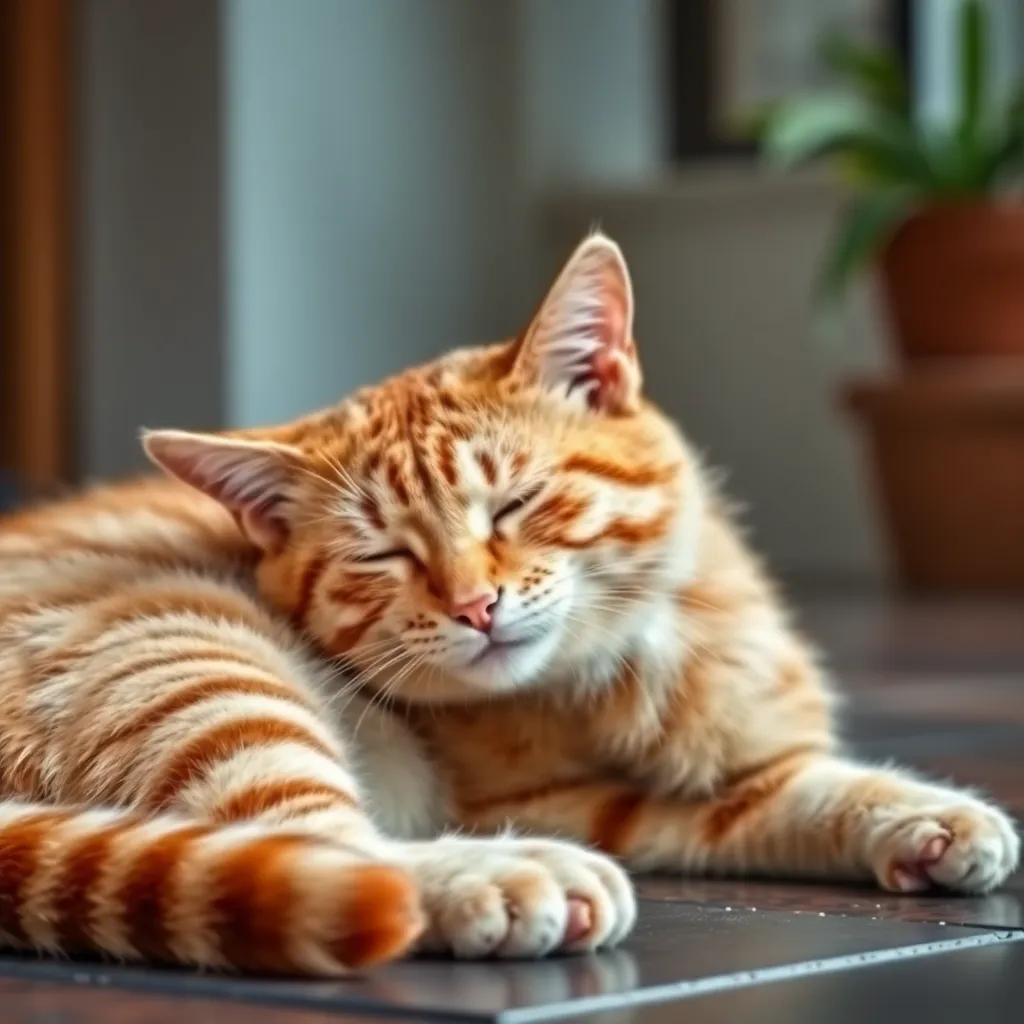
Understanding Cat Kneading: Instinct, Comfort & Communication

Cat kneading, a rhythmic pushing motion with their paws against soft surfaces, is an instinctual behavior exhibited by over 85% of domestic cats, originating from kittenhood. This endearing yet puzzling action serves crucial biological and emotional functions, deeply rooted in feline psychology.
Biologically, newborn kittens instinctively knead their mother’s belly to stimulate milk flow, a vital survival mechanism ensuring adequate nutrition. This early association between kneading and nourishment deeply ingrains comfort and pleasure, activating brain pleasure centers that persist into adulthood, a phenomenon known as neurological imprinting. Physically, it involves alternating front paw pressure, often accompanied by purring and a relaxed expression, with some cats extending claws while others retract them depending on comfort and surface.
Emotionally, adult cats retain juvenile characteristics (neoteny), using kneading as a self-soothing mechanism, especially when feeling secure and relaxed. It acts as a stress reliever and a sign of contentment, often triggered by settling for sleep, receiving petting, finding soft surfaces, or experiencing mild anxiety. Cats separated prematurely from their mothers may knead more frequently and for longer durations, compensating for missed early bonding.
Furthermore, kneading facilitates chemical communication. Paw pads contain scent glands that release pheromones, creating olfactory comfort zones that reduce anxiety and establish familiarity. Unlike territorial marking, these pheromones communicate contentment and ownership, reinforcing a cat’s sense of security as they repeatedly knead the same spots.
While a normal and healthy expression, kneading can pose practical challenges, as extended claws may damage furniture or cause discomfort on human laps. Owners can manage this by providing appropriate kneading surfaces like soft blankets or cat beds, and by regular nail trimming. Gentle redirection, rather than discouragement, strengthens the human-feline bond by respecting this intrinsic feline need. Understanding kneading fosters a deeper connection and more harmonious living environment for cats and their owners.
When cats knead near their feeding area, consider investing in the best pet food dispensers cat owners recommend for stress-free mealtime routines.
Many cats associate their automatic pet feeder comfort with the same security they felt while kneading their mother’s belly as kittens.
Interestingly, many cats exhibit the same kneading behavior around their best automatic cat feeders kneading into nearby blankets or cushions during feeding time.
When cats knead near their food area, investing in the best automatic pet feeders cats can help maintain their comfortable routines.